

Nepal Monsoon 2025: Impact on Agriculture, Flood Risks, and Climate Preparedness Explained
Nepal set for intense monsoon. Boost for crops, peril for people
Nepal Monsoon 2025: Impact on Agriculture, Flood Risks, and Climate Preparedness Explained
How Monsoon 2025 Will Affect Agriculture: Crop Yields, Farming Challenges, and Climate Impact
Nepal Set for Intense Monsoon: A Double-Edged Sword for the Nation
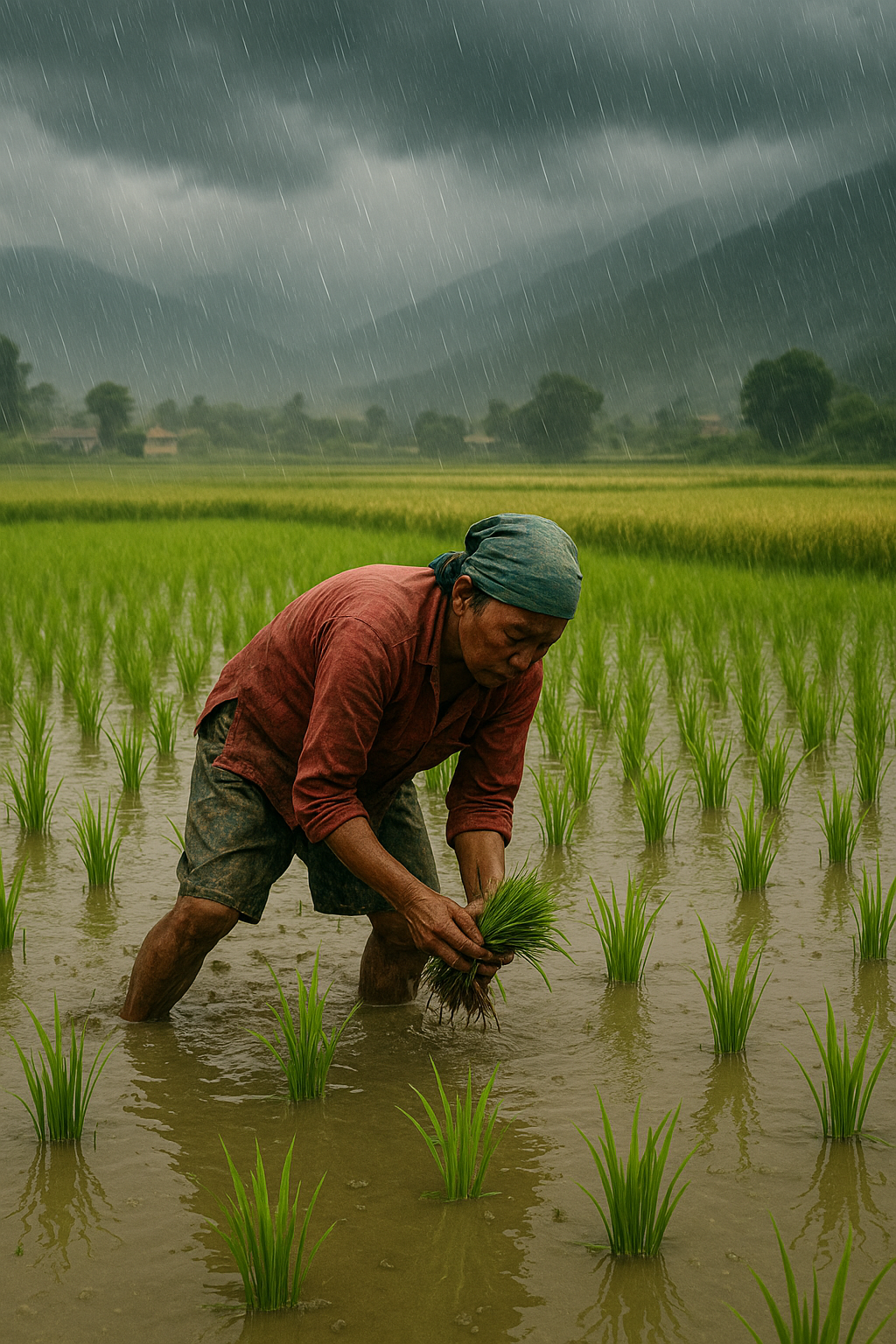
Nepal faces an intense monsoon season this year because weather experts expect higher than normal rainfall throughout the entire country. The positive impact on agriculture brings both hope and danger to vulnerable regions of the country.
🌱 Agricultural Gains: A Silver Lining
The farm community receives this prediction with enthusiasm. The reliable heavy monsoon rains would restore water reserves while supporting rice farming because it depends significantly on seasonal precipitation. The implementation of improved irrigation systems will support better production of maize, millet, and vegetables which will achieve stable food costs and enhanced rural community life quality.
⚠️ Risks Looming Large
Natural hazards will be exacerbated by the strong monsoon conditions that exist in regions at risk. Experts warn of:
Landslides in hilly and mountainous regions, particularly in the central and eastern Himalayas.
The southern plains of Terai face potential flooding when its rivers become too swollen to contain their water which results in settlements and farmlands being overwhelmed by floodwater.
Urban waterlogging, especially in Kathmandu Valley and other growing towns with poor drainage systems.
The local disaster preparedness teams stand ready with authorities requiring river channel clearance along with embankment strengthening while residents need training regarding emergency response protocols.
🏥 Public Health Concerns
Extremely heavy rainfall elevates the possibility of spreading waterborne diseases which include cholera, typhoid and dysentery. Health authorities emphasize both proper sanitation practices and water cleanliness for flood-prone areas because these measures protect public health.
🔍 What Lies Ahead
The Department of Hydrology and Meteorology warns about both active monitoring and prompt intervention. Individuals who occupy homes along riverbanks together with those who reside in steep terrains and dwell in subpar housing face the highest danger. Various authorities along with Non-Governmental Organizations and international organizations are uniting to execute relief support if necessary.
- Agriculture and climate change UK
- agriculture resilience strategies
- Argentina extreme weather
- Brazil agriculture climate impact
- climate-related disasters 2025
- climate change adaptation agriculture
- Climate change in China
- Climate change in Nigeria
- Climate impact Saudi Arabia
- Drought and flood Australia
- emergency response to monsoon disasters
- Extreme weather USA
- farming in flood-prone areas
- Farming under monsoon Kenya
- Flood risk in Japan
- Flood warnings in Canada
- global climate alerts
- global flood alerts
- global warming and monsoon shifts
- Heavy rain in UAE
- humanitarian crisis due to floods
- international aid for flood victims
- international weather news
- monsoon flood risk assessment
- Monsoon in Bangladesh
- Monsoon in Bhutan
- Monsoon in India
- Monsoon in Indonesia
- Monsoon in Malaysia
- Monsoon in Myanmar
- Monsoon in Nepal
- Monsoon in Pakistan
- Monsoon in Philippines
- Monsoon in Sri Lanka
- Monsoon in Thailand
- Monsoon in Vietnam
- Peru flood risk
- rainfall and crop yield
- Rainfall impact in South Korea
- rural development and climate change
- South Africa flood forecast
- sustainable farming practices
- waterborne diseases in monsoon
- what’s the future of agriculture under climate change
- which areas of Nepal are flood-prone